Peripheral Artery Disease: Treatment Options from Medications to Surgery
Peripheral artery disease is a widespread condition characterized by narrowed arteries, reducing blood flow to the limbs. It mostly affects the legs, causing symptoms such as pain, cramping, and, in severe cases, ulcers or gangrene. Understanding the treatment options available for peripheral artery disease is essential in managing the disease efficiently and preventing complications. As our population ages and lifestyles become increasingly sedentary, rising awareness and proper management are vital. The integration of pharmacological treatments, surgical procedures, and lifestyle changes plays a pivotal role in improving patient outcomes.
Diagnosing and Understanding Vascular Narrowing
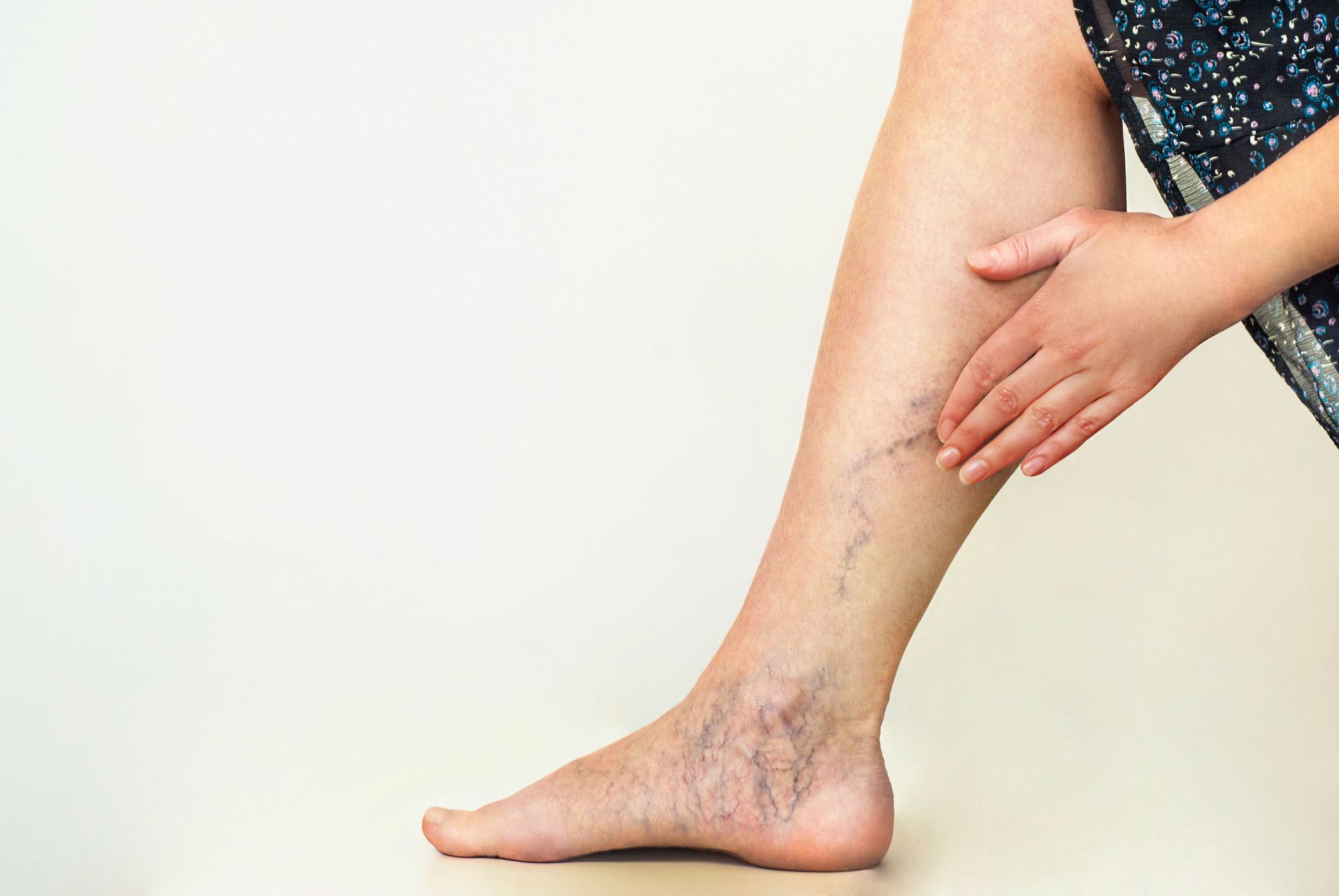
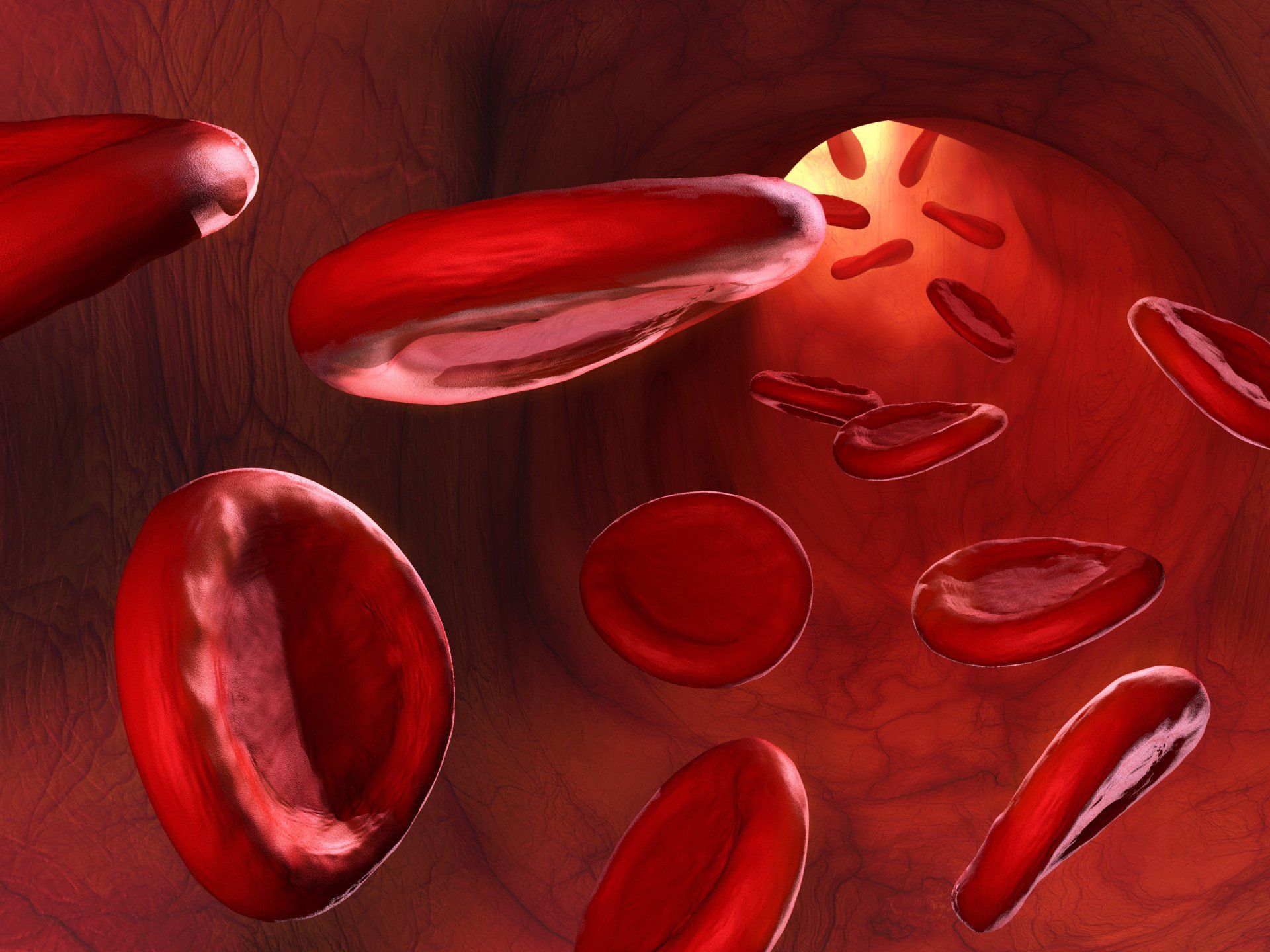
Peripheral artery disease is a chronic condition that impairs blood flow, primarily affecting the arteries supplying the legs. It often results from atherosclerosis, where fatty deposits accumulate in the artery walls, causing them to narrow. This limits oxygen-rich blood flow to the muscles, which is essential for function and survival. Early recognition of peripheral artery disease is crucial to prevent progression to more severe complications, such as critical limb ischemia. This condition also serves as a marker of systemic atherosclerosis and an indicator of increased cardiovascular risk.
Several factors increase the likelihood of developing peripheral artery disease, including smoking, diabetes, obesity, high blood pressure, and high cholesterol. These risk factors contribute to atherosclerosis, the principal driver behind arterial narrowing. Genetic predispositions also play a role in disease susceptibility, necessitating family members to be cautious. Inactivity and poor diet further exacerbate the risk factors, making lifestyle changes imperative for prevention. Awareness of these risk factors is step one in addressing the condition effectively.
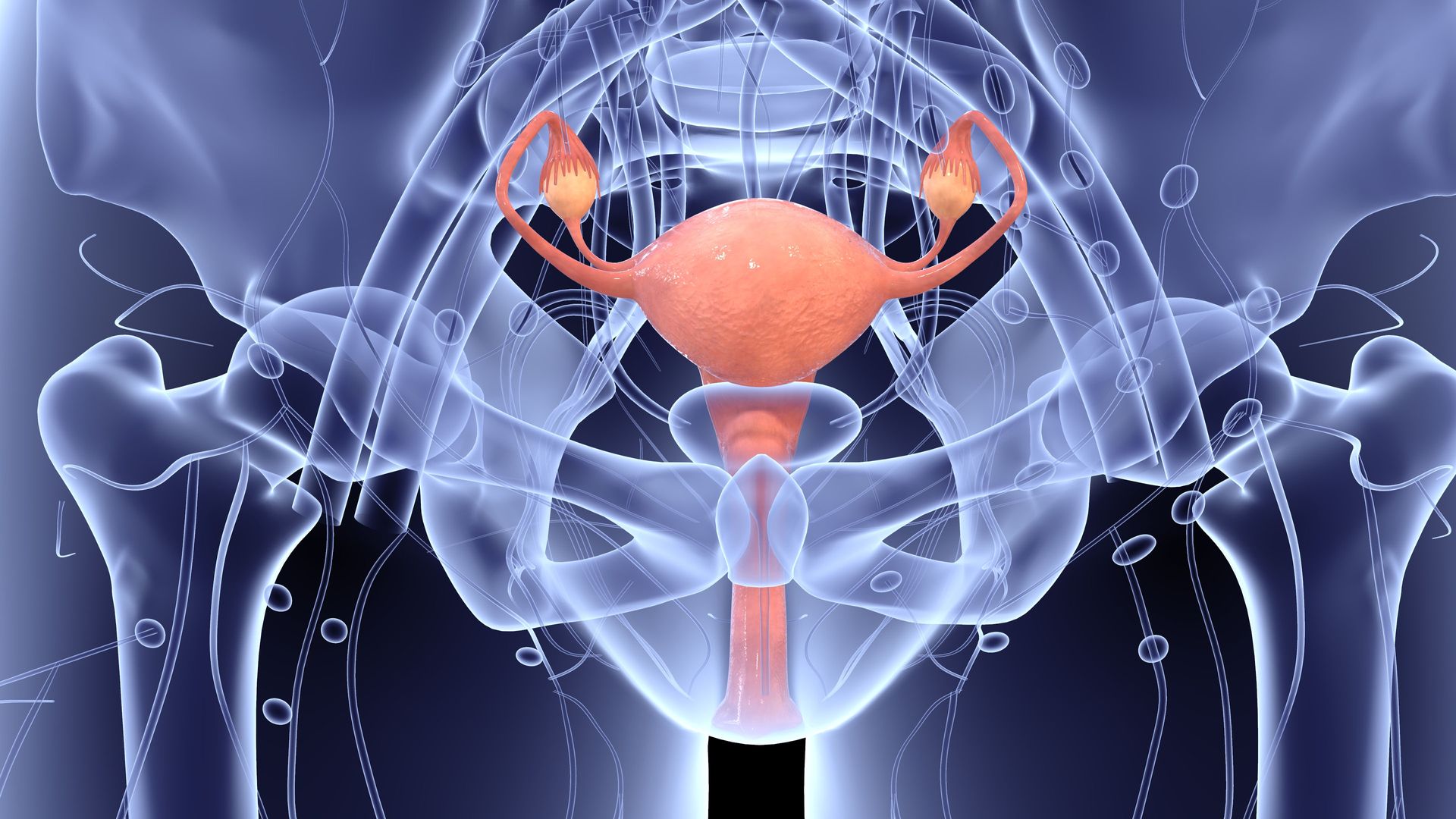
The symptoms often start with claudication, a condition marked by leg pain while walking, which subsides with rest. As the disease advances, pain may occur even during rest, and ulcers that resist healing could form on the feet or legs. Diagnosing peripheral artery disease typically involves a physical examination, a review of symptoms, and the Ankle-Brachial Index (ABI). According to USA Today, adenomyosis, once believed to affect just 1 to 5% of women of women, is now estimated to impact at least one in five. This shift in medical statistics highlights how widespread vascular and reproductive health conditions are often underestimated in the general population.
Implementing Vital Lifestyle Modifications
A balanced diet rich in fruits, vegetables, whole grains, and lean proteins can help manage and prevent peripheral artery disease. Limiting saturated fats, trans fats, and cholesterol is crucial, as these contribute to plaque buildup in the arteries. Nutrition plays a vital role in regulating weight, blood pressure, and cholesterol levels, all significant risk factors. Patients should seek personalized dietary plans from healthcare providers to address individual health needs and preferences. Dietary supplements may be recommended to ensure adequate nutrient intake, contributing to overall health improvement.
Regular physical activity is a cornerstone in managing peripheral artery disease and improving overall cardiovascular health. Exercise programs focusing on walking have proven effective in reducing claudication symptoms, enhancing walkability over time. Supervised exercise regimens are often recommended, helping patients gradually build endurance and strength while avoiding overexertion. Exercise also aids in weight management and stress reduction, complementing dietary efforts. Incorporating physical activity into the daily routine can significantly enhance long-term outcomes.
Smoking is a dominant risk factor, increasing the likelihood of severe arterial narrowing and complications. Quitting smoking halts disease progression and reduces the risk of heart attack, stroke, and amputation. Smoking cessation resources and support groups can assist patients in combating addiction and achieving smoke-free status. Pharmacological aids and behavioral therapy are beneficial tools in the journey to quitting smoking. The health benefits of quitting smoking are immense, impacting both vascular and general cardiovascular health positively.
Utilizing Targeted Pharmacological Treatments
Antiplatelet medications, including aspirin and clopidogrel, play a critical role in preventing blood clots in patients. These agents reduce the chance of heart attack and stroke by inhibiting platelet aggregation and improving circulation. Regular intake as prescribed by a healthcare provider is crucial, as abrupt discontinuation can increase cardiovascular risk. While generally well-tolerated, potential side effects include increased bleeding risk, necessitating a balance between benefits and risks. Physicians tailor antiplatelet therapy to individual patient risk profiles and comorbidities.
Statins are the primary cholesterol-lowering medications for patients, reducing LDL cholesterol levels and slowing atherosclerosis progression. In addition to lowering cholesterol, statins stabilize existing plaque, reducing the risk of plaque rupture and subsequent heart attack or stroke. Patients should adhere to prescribed statin therapy while incorporating dietary and lifestyle changes for maximum efficacy. Those unable to tolerate statins might consider alternative cholesterol medications, such as ezetimibe or PCSK9 inhibitors. Regular cholesterol monitoring and adjustment of medications ensure the management plan remains effective.
Effective blood pressure control is integral in managing peripheral artery disease, mitigating further arterial damage, and reducing cardiovascular risk. Commonly prescribed antihypertensive drugs include ACE inhibitors, angiotensin receptor blockers, and calcium channel blockers. Patients should maintain adherence to prescribed medication regimens while monitoring daily blood pressure readings. Optimizing lifestyle factors, such as diet and exercise, complements pharmacological interventions in achieving target blood pressure ranges. Regular follow-ups with healthcare providers ensure timely adjustments to therapy as needed.
Choosing Minimally Invasive Procedures
Angioplasty and stenting are minimally invasive procedures that restore blood flow in narrowed or blocked arteries. Angioplasty involves inflating a small balloon within the artery to widen it, while stenting reinforces the artery with a mesh tube, maintaining its openness. These procedures are indicated for patients with significant arterial blockages, unresponsive to lifestyle modifications and medications. Immediate post-procedure improvements in circulation often translate to symptom relief and enhanced mobility. Long-term outcomes depend on patient adherence to lifestyle changes and regular follow-ups.
Atherectomy is a minimally invasive intervention used to remove plaque directly from artery walls. This technique employs specialized tools to shave or laser away obstructive plaque, restoring adequate blood flow. Atherectomy may be suitable for patients with calcified or challenging plaques, not amenable to other interventional approaches. The procedure's precision minimizes trauma to the artery, offering a safe solution for complex cases. As with other interventions, patient evaluation is essential to determine atherectomy suitability and anticipate potential risks.
Endovascular procedures have significantly advanced, offering effective treatment alternatives to open surgery. Emerging techniques, such as drug-coated balloons and bioabsorbable stents, enhance long-term outcomes by reducing restenosis rates. Technological innovations enable specialists to address challenging anatomical situations with precision, improving procedural success rates. Collaboration among vascular specialists ensures patient-centered treatment plans, considering anatomical characteristics and comorbidities. Endovascular approaches continually evolve, promising improvements in safety and efficacy.
Managing Advanced Surgical Interventions
Bypass grafting involves creating an alternate pathway for blood flow around a blocked or narrowed artery. Surgeons use a healthy blood vessel, called a graft, from another part of the body to reroute circulation, alleviating severe symptoms. Indicated for advanced cases where other treatments have failed, bypass grafting can restore functionality and prevent limb loss. Thorough patient evaluation and preparation are essential for surgical success and minimizing risks. Post-operative care focuses on wound healing, rehabilitation, and adherence to lifestyle changes to protect the graft.
Endarterectomy is a surgical procedure that involves removing plaque buildup directly from the artery wall. It's most frequently used for arterial narrowing in the carotid arteries or large peripheral arteries. This procedure aims to restore adequate blood flow, reducing the risk of stroke and improving functional outcomes. While more invasive than endovascular approaches, endarterectomy offers effective treatment for critical arterial occlusions. Detailed pre-surgical assessments and post-operative monitoring ensure optimized results and minimal complications.
Peripheral artery disease presents a multifaceted challenge, necessitating a comprehensive, personalized approach to achieve optimal management and outcomes. By integrating lifestyle modifications, pharmacological treatments, minimally invasive procedures, and surgical options, healthcare providers can tailor care to individual patient needs. A collaborative effort between patients and providers ensures proactive management, reducing the risk of complications and enhancing quality of life. For more information about the services that we offer, reach out to our incredible team at Mara Vascular and Interventional Radiology OKC today!



Share On: