How Peripheral Artery Disease Can Be Managed to Prevent Amputations
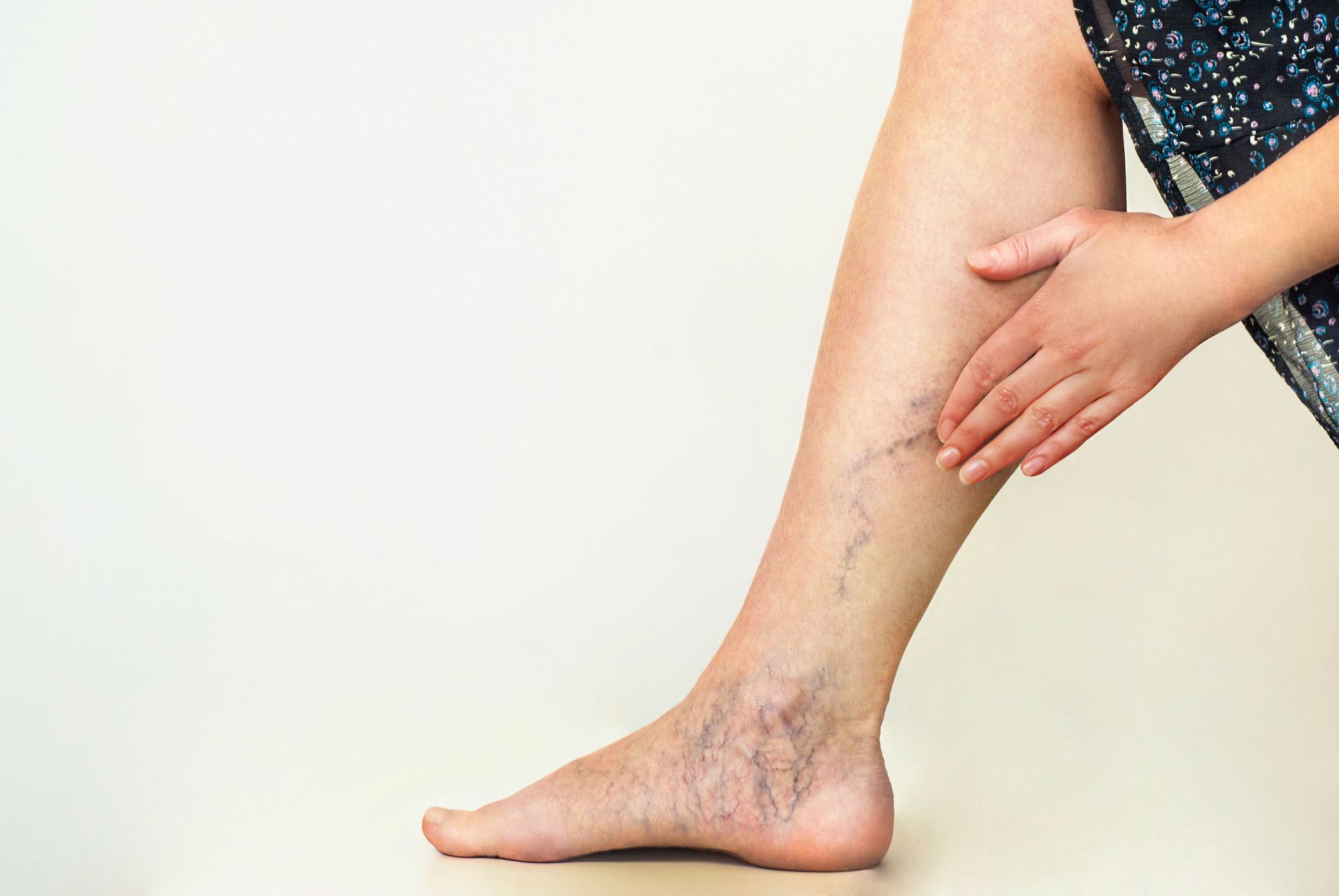
Peripheral artery disease (PAD) is a condition that affects the arteries outside the heart, primarily in the legs. Narrowing or blockages caused by plaque buildup reduce blood flow, which can lead to pain, mobility challenges, and serious complications like heart attacks or strokes. PAD is more common than many realize, and understanding the condition is the first step in preventing severe outcomes such as amputations.
The Prevalence and Importance of Early Detection
According to the American College of Cardiology, PAD affects more than 12 million Americans and 200 million people worldwide. Despite these staggering numbers, many individuals remain unaware they have Peripheral Artery Disease, as early stages often present no noticeable symptoms. People may dismiss mild leg discomfort, fatigue, or numbness as normal aging or overexertion, which can delay diagnosis and treatment. Routine screening and education about PAD are critical because they help identify the condition before it progresses to more severe complications. Early detection allows healthcare providers to implement timely interventions that improve blood flow and reduce the risk of serious outcomes, including heart problems, mobility loss, and limb amputation. By recognizing PAD early, patients have a much greater chance of maintaining their quality of life and preventing avoidable complications.
Risk Factors and Lifestyle Considerations
Several factors increase the risk of developing peripheral artery disease. Smoking, diabetes, high blood pressure, and high cholesterol are among the most significant contributors. Additionally, a sedentary lifestyle and poor diet can exacerbate the condition. Addressing these risk factors through regular exercise, a heart-healthy diet, and quitting smoking plays a crucial role in preventing disease progression and reducing the likelihood of amputations. For patients with diabetes, carefully managing blood sugar is equally essential.
Treatment Strategies That Reduce Amputation Risk
Effective management of PAD combines lifestyle changes, medication, and sometimes surgical interventions. Medications can improve blood flow, manage symptoms, and treat underlying conditions such as high cholesterol or hypertension. In more advanced cases, procedures like angioplasty or bypass surgery may be necessary to restore proper circulation. With proactive care, most individuals with PAD can preserve limb function and avoid amputations, maintaining mobility and quality of life.
Peripheral artery disease does not have to lead to severe complications when addressed promptly. Awareness, early screening, and consistent management of risk factors can prevent the majority of amputations associated with PAD. If you or a loved one may be at risk, talk to a healthcare provider today at Mara Vascular and Interventional Radiology OKC to learn about testing, treatment options, and lifestyle steps to protect your health.



Share On: